
YOUR LEADERSHIP
The gathering in Rome will focus on you as leader and how you can develop.
It will consist of plenary sessions, group work and individual reflection.
After the gathering you will have:
Gained insights into own leadership, tested on and aligned with others
Defined 4-5 “experiments” that can help you grow as a leader
Contributed to the development of others
Below you will find preparations, resources, the gathering program and assignments.

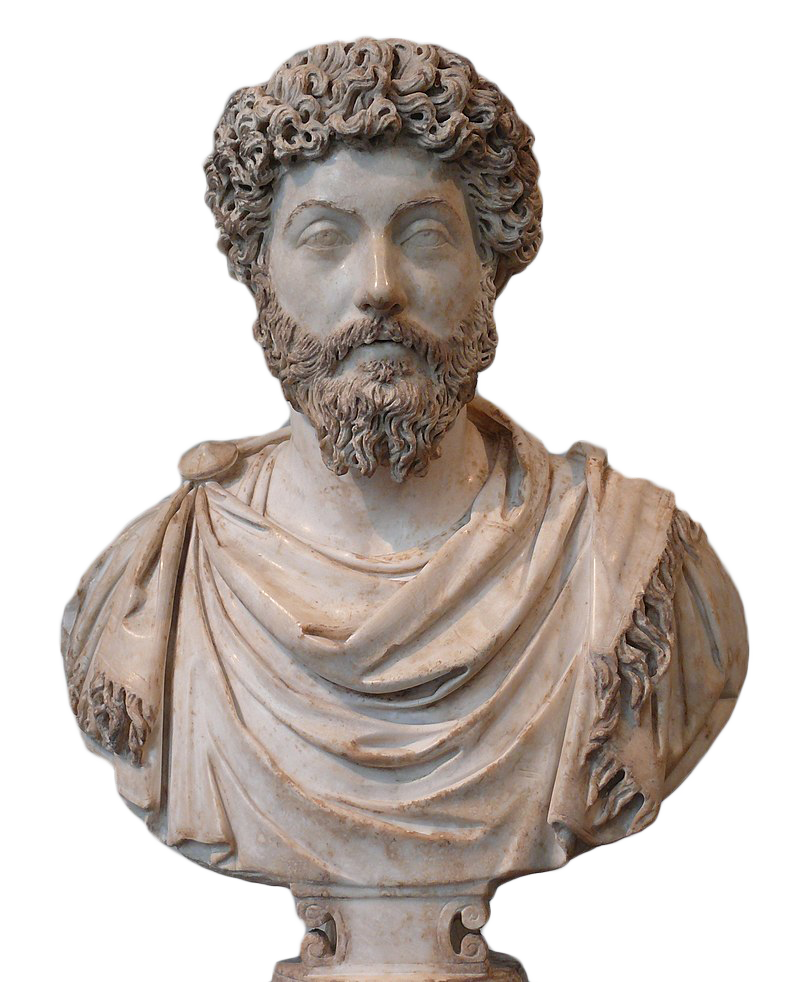
“Look within. Within is a fountain of strength and it will always erupt, if you are willing to dig”
— Marcus Aurelius (121 – 180), Roman emperor and stoic philosopher
Click!
Pre-work
-
Key takeaways from the Hogan assessment
Delivery deadline: 04.09.2026
Download the template below and use it to reflect on your Hogan results. What confirmed the way you already saw yourself and what surprised you? What do you now see as your key strengths, and which areas will you prioritise for growth?
Prepare to share your reflections with your delta group during the gathering. You will be handed back a printed version of your document in Rome.
Download and send the completed document to cxo@akerasa.com
-
Delta Group Assignment: Feedback & Reflections
Delivery deadline: 04.09.2026
Download the template below and use it as an interview guide and a report for your key feedback. The template contains sections for the 3 interviews that you are going to do with a leader and colleagues of your delta group participants. Keep your writing specific and constructive, focus on strenghts and areas to grow.
Prepare to share your notes from the interviews with your delta group during the gathering. You will be handed back a printed version of your document in Rome.
Download and send the completed document to cxo@akerasa.com
Resources
Adam Grant talks about how we collaborate at work, and he divides employees into “givers”, “takers” and “matchers”. The key message is that the givers are important to productivity and work culture. He also launches the term “pronoia”: The suspicion that other people go behind your back and say exceptionally good things about you.

Although most people believe that they are self-aware, true self-awareness is a rare quality. In this short article Tasha Eurich describes two types of self-awareness, that experience and power can hinder self-awareness, and that introspection doesn’t always make you more self-aware. Click on the picture to read the article.
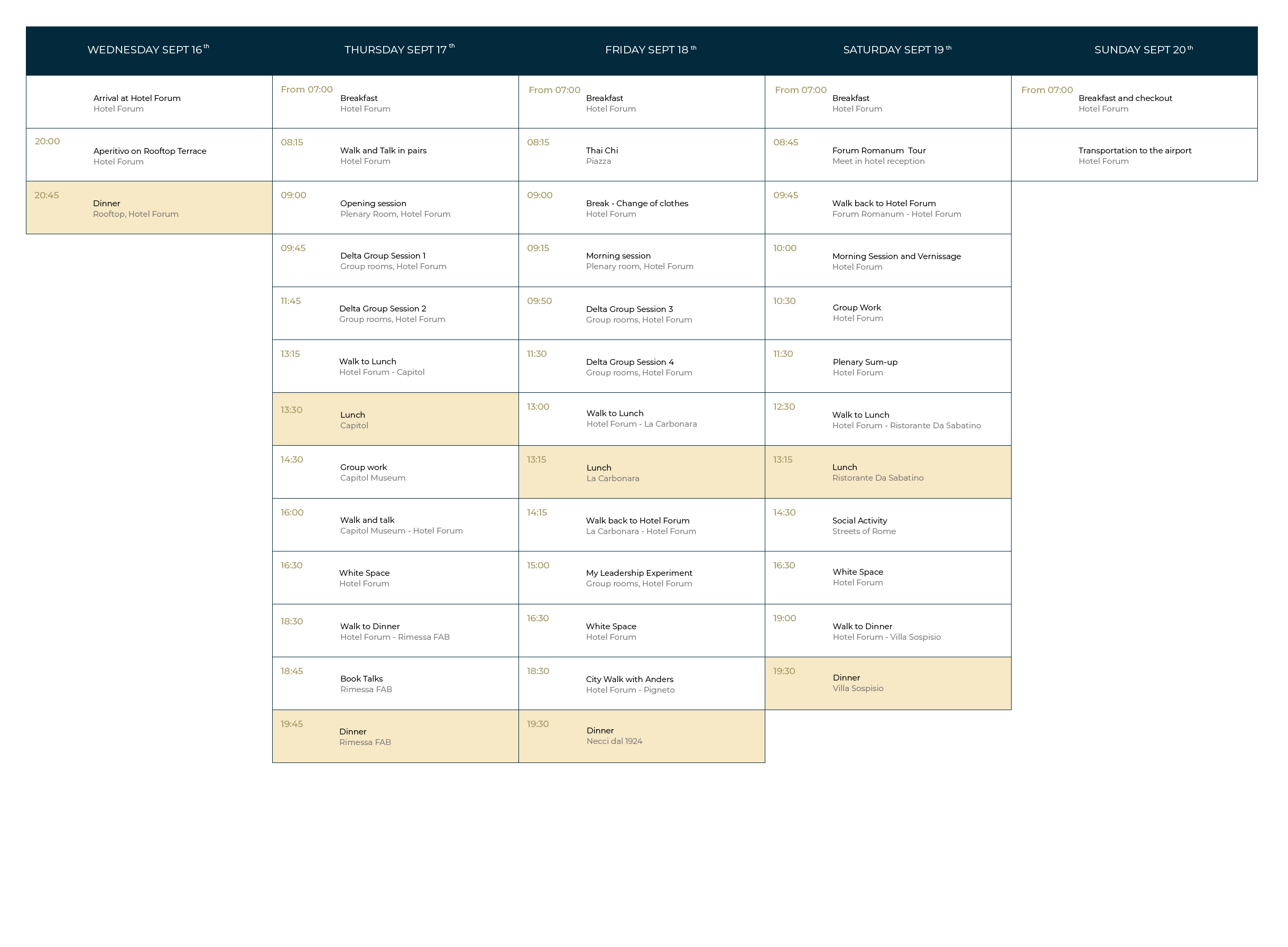
Detailed program
Please note that the program may be subject to change
After the gathering
TBA