
CXO Library
The CXO Library brings together the books that form part of the CXO learning journey. Each year, every participant is assigned a book connected to one of the program's core themes, which they explore and present to their peers throughout the program. The library makes these reviews available to all, and over time will also serve as a lending library for current and previous participants as well as mentors.
Library
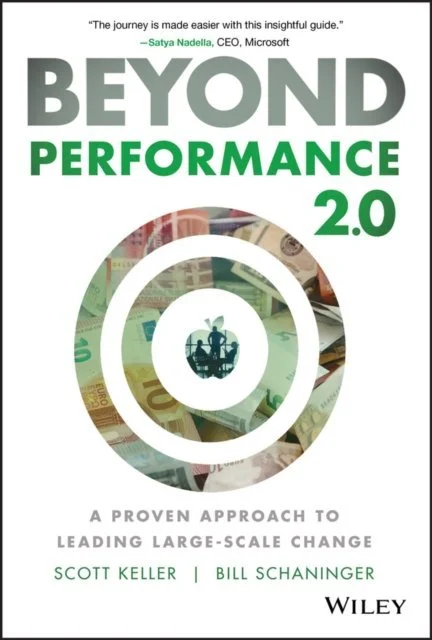
Beyond performance 2.0
The core claim is simple and data-driven: 70% of big transformations fail – not because the strategy is wrong, but because leaders treat culture, mindset, and organisational health as a “soft” afterthought. Scott Keller and Bill Schaninger, both senior partners at McKinsey, draw on 15 years of research, more than 5 million data points from 2,000 companies, and decades of hands-on experience from large change programmes. The main message: leaders who put equal rigour on “performance” (hard) and “health” (soft) double their chance of success – from around 30% to close to 80%.
- Rolf Kristian Stave Nystein (Aker BP)
Scott Keller & Bill Schaninger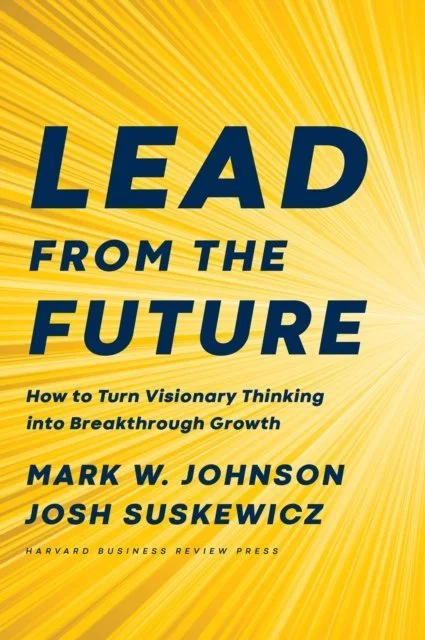
Lead from the future
The book is a practical guide on how leaders in established organizations can complement “present-forward” planning with “future-back” thinking”. It must be an executive leadership responsibility to enhance growth in 10 years + horizon. The book explains importance of defining a clear vision for a compelling future state, then working backwards to identify what must change today to make that future real. The book explains a step-by-step approach for turning a vision into an actionable strategic plan, overcoming common barriers to change (short-term pressure, resource fights, and inertia), and building repeatable capability for visionary execution across the organization.
- Rannveig Storebø (Aker BP)
Mark W. Johnson & Josh Suskewiz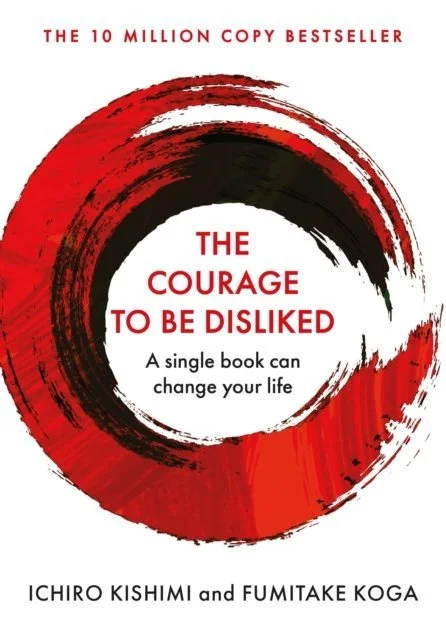
The courage to be disliked
The book is structured as a dialogue between a professor and a youth. The professor is presenting ideas of Alfred Adler that is challenging the beliefs made by the youth (that has a more traditional view of life). The professor argues that we are free from our past (the opposite of deterministically “cause and effect”) and can choose what we make out of past trauma, but it takes courage. The professor further promotes the idea that happiness comes from contributing rather than seeking validation from others and personal responsibilities, your tasks are yours and not mine.
- Fredrik Hunstad (AKOFS Offshore)
Ichiro Kishimi & Fumitake Koga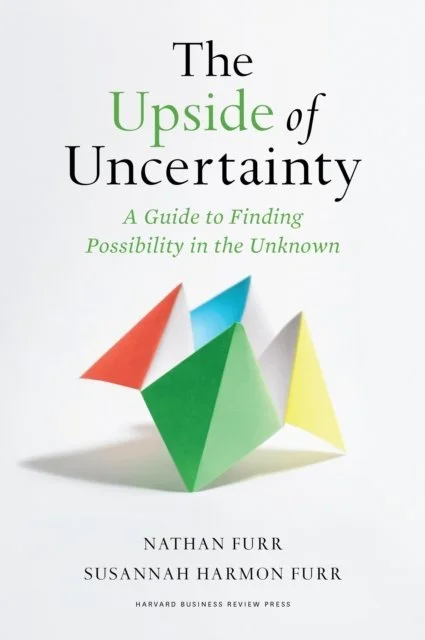
The upside of uncertainty
The central thesis of the book is that uncertainty is the portal to possibility. It is a prerequisite for meaningful change, innovation and transformation. This can only be achieved through learning to navigate uncertainty.
- Jonas Gamre (Aker ASA)
Nathan Furr & Susannah Harmon Furr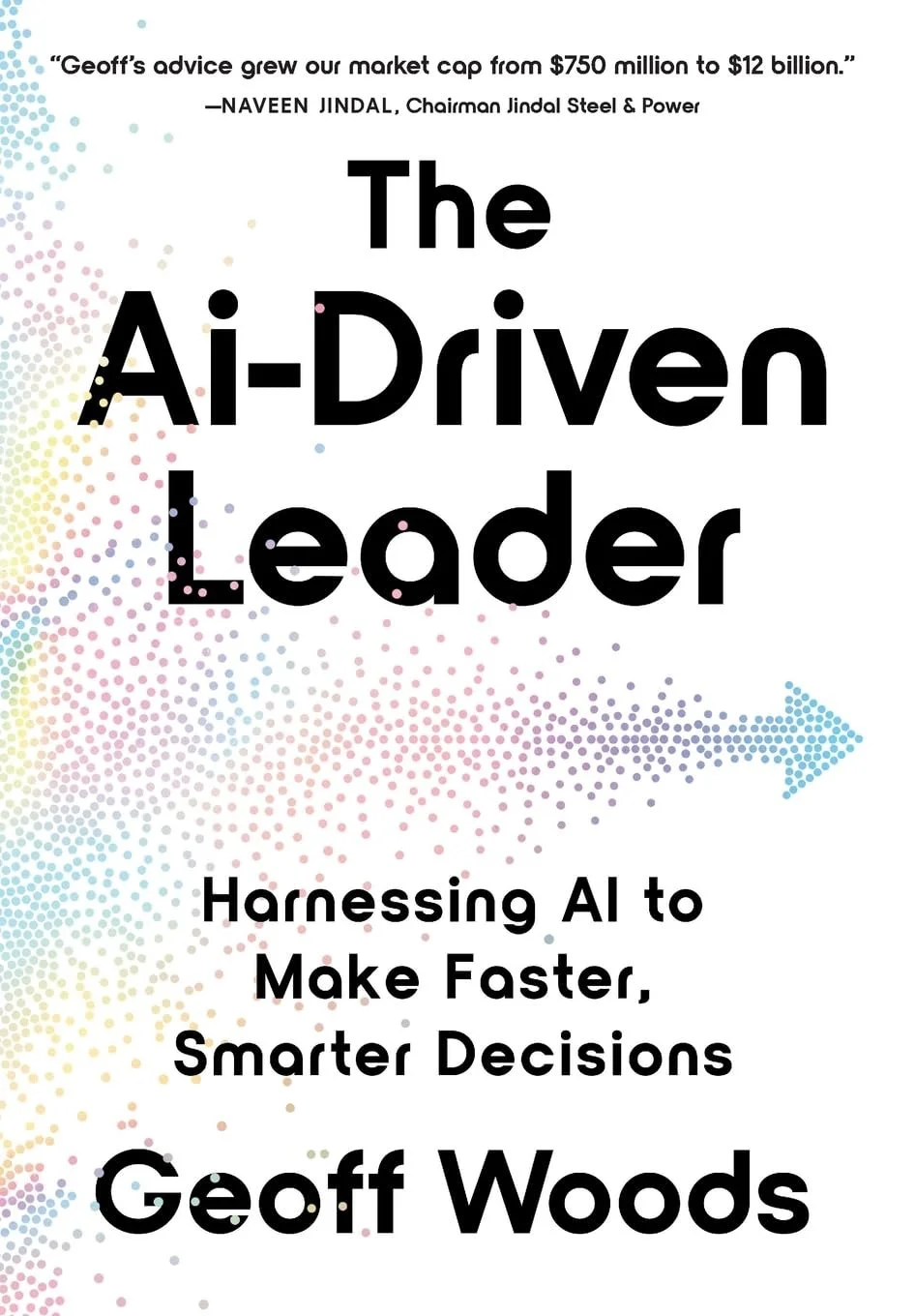
The Ai-driven leader
Geoff WoodsAt its core this is a practical guide to how leaders can work better by bringing AI into how they think and decide. It is not really a technology book. The argument that stuck with me is that the leaders who get this right will not be the most technical ones, because AI is only as useful as the quality of the question you bring to it. Knowing what question to ask is a leadership skill, not a technical one.
The book is light on theory and works best as a practical reference: it is full of concrete prompts, examples and templates you can pick up and use straight away. Its real value is the mindset it provokes: the leaders who learn fastest may outperform the leaders who know the most.
- Marte Dalsegg (Aker BioMarine)
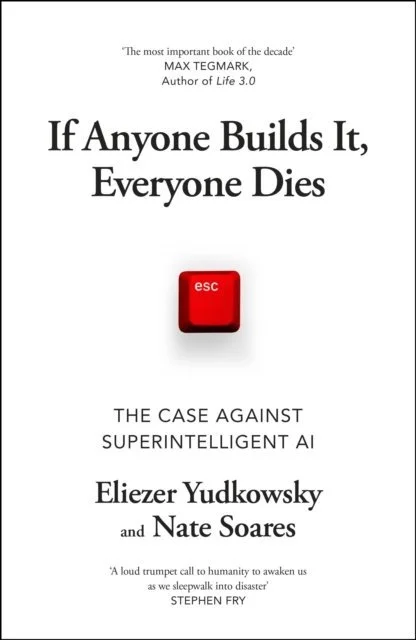
If anyone builds it, everyone dies
Eliezer Yudkowsky & Nate Soares‘If Anyone Builds It, Everyone Dies - The case against superintelligent AI’ is a book about how further developing today’s AI (typically LLMs, large language models) into more superintelligent AI / superintelligence could be a threat to humankind and worst-case global suicide. The book calls for an immediate halt to development of superintelligence and advocates tighter regulation and follow up of AI development.
The authors, Yudkowsky and Soares, both with background from the AI industry and founders of the MIRI (Machine Intelligence Research Institute) knowing the industry from the inside leaves a small glimmer of hope humanity takes to its senses – but now is the time to act!
- Alf Kristensen (AKOFS Offshore)
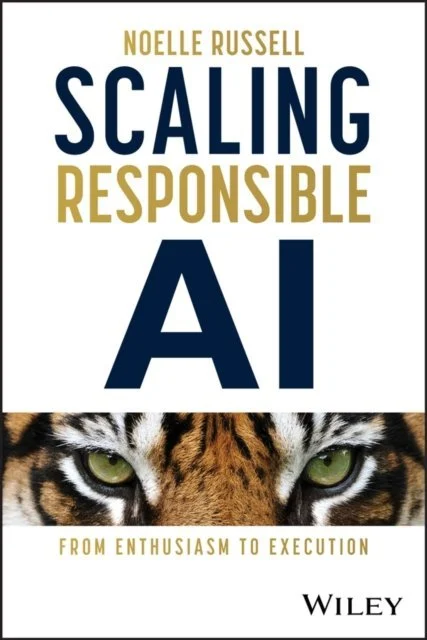
Scaling responsible AI
Noelle RussellNoelle Russell builds the book around a now-famous analogy: adopting AI is like bringing home an adorable baby tiger — exciting and full of promise, but it grows fast, and without discipline it becomes powerful and dangerous. The book is a practical guide for moving organisations past the initial enthusiasm and hype into responsible, real-world execution: getting AI out of endless proof-of-concept limbo (“AI purgatory”) and safely into production. Much of the advice will feel familiar to anyone who has led a project — it leans heavily on clear plans, psychological safety, stakeholder alignment and the same soft skills good change managers already use
- Kristine Gunnarshaug (Aker BP)
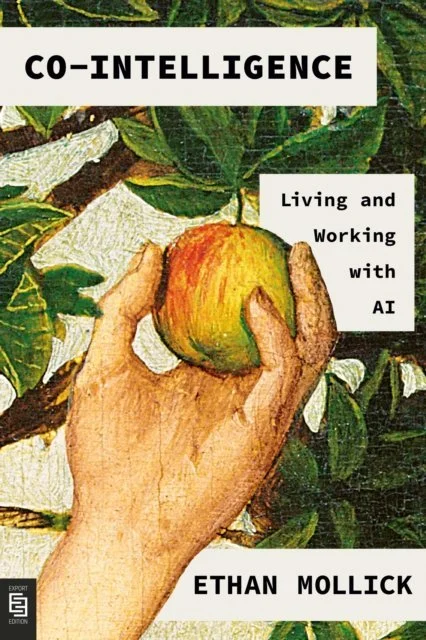
Co-intelligence
Ethan MollickCo-Intelligence is Ethan Mollick’s practical guide to living and working with AI. Mollick is a Wharton professor who decided the only honest way to understand the technology was to use it relentlessly himself, so the book reads like field notes from someone who actually did the work. His core claim is that AI is a general-purpose technology on the scale of the steam engine or the internet. But it has a strange new property. It behaves less like software and more like a person, something you think alongside as a co-worker, tutor, coach and creative partner, rather than a tool you operate.
- Ole Eirik Dalbye (Aker Solutions)
Beyond the hammer
Brian Gottlieb
Strong ground
Brené Brown
The five dysfunctions of a team
Patrick Lencioni
Meditations
Marcus Aurelius 
The triangle of power
Alexander Stubb
Folk flest er gode
Rutger Bregman
Friksjon
Øyvind Kvalnes
Act like a leader, think like a leader
Herminia Ibarra